

Categories
Lifestyle, TravelPublished December 30, 2025
Winter Driving Tips Everyone Should Know Before the Snow Falls

Winter Driving Tips Everyone Should Know Before the Snow Falls
What are the most important winter driving tips to stay safe when roads are snowy or icy?
Winter driving comes down to preparation, patience, and understanding how your vehicle behaves in snow. Whether you’re navigating mountain roads or neighborhood streets, these winter driving tips can help you stay in control when conditions change fast.
Below are ten practical, experience-based tips every driver should keep in mind once winter weather hits.
1. The First Inch Is the Most Dangerous
When snow first starts falling, roads are often at their slickest. That initial inch mixes with oil and debris already on the pavement, creating extremely low traction. Slow down early and don’t assume the road is safer just because accumulation looks minimal.
2. Downshift Instead of Braking
Braking hard in snow can cause your wheels to lock up and your vehicle to slide. Downshifting helps slow your car using engine resistance instead of relying solely on your brakes.
If you do need to brake, pump the brakes slowly and gently to maintain control.
3. Momentum Matters Uphill — Distance Matters Downhill
When driving uphill, momentum is everything. Keep a steady pace so you don’t lose traction partway up the climb.
On downhill stretches, focus on distance. Leave extra space between you and the vehicle ahead so you can slow gradually without sudden braking.
4. Don’t Use the Shoulder Line as a Guide
It can be tempting to follow the shoulder line when visibility is low, but this often leads drivers into deeper snow. Shoulders can “pull” your tires in and make it harder to get back onto the roadway.
5. Uphill Traffic Has the Right of Way
On narrow or steep roads, vehicles traveling uphill generally have the right of way. Starting from a stop on an incline is far more difficult than continuing upward momentum.
6. Always Carry a Winter Emergency Kit
Preparation is one of the most overlooked winter driving tips. Keep essentials in your vehicle in case you get stuck:
-
Gloves
-
A shovel
-
Kitty litter (for traction)
-
Water
-
Snacks
These basics can make a stressful situation far more manageable.
7. Fill Your Gas Tank Before the Storm
A full gas tank adds weight to your vehicle, improving traction. It also ensures you can keep the engine running for heat if traffic stalls or roads close unexpectedly.
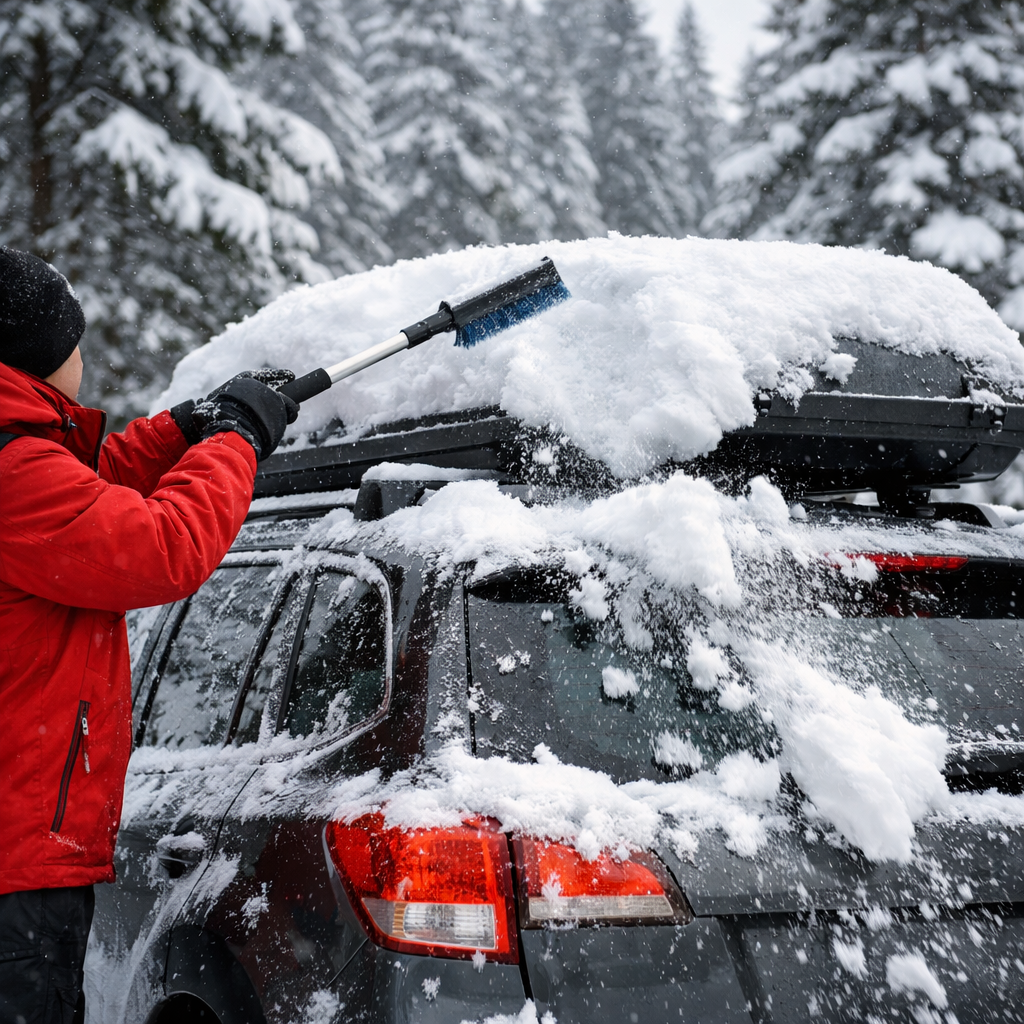
8. Clear Snow Off Your Roof — Every Time
Snow left on your roof can slide forward as your car warms up. When you brake, that snow can cover your windshield, damage your wipers, and instantly block your visibility. Clearing your roof isn’t just courteous — it’s critical.
9. Cold Tires Don’t Grip as Well
Your tires need time to warm up. When you first start driving, especially in cold temperatures, expect reduced traction and take it slow until your tires have a chance to perform properly.
10. Be Patient — Especially Around Plows
Plow trucks and cautious drivers may slow you down, but patience is one of the most important winter driving skills. Don’t pass unless there’s a clearly safe opportunity. The goal isn’t speed — it’s arriving safely.
Final Takeaway
Winter driving isn’t about confidence — it’s about respect for the conditions. Slowing down, staying prepared, and giving yourself extra time can make all the difference when snow and ice are involved.
As, Kristen Pepin, a Lake Tahoe Realtor® working throughout Lake Tahoe, these winter driving tips come from firsthand experience navigating mountain conditions where preparation and patience matter most.

Kristen Pepin
| Kristen Pepin, Realtor | Dudum REG | Sun Bear Realty
or another way