

Categories
Community, Lifestyle, Real EstatePublished October 29, 2026
Lake Tahoe Winter Home Prep Guide for Owners and Buyers

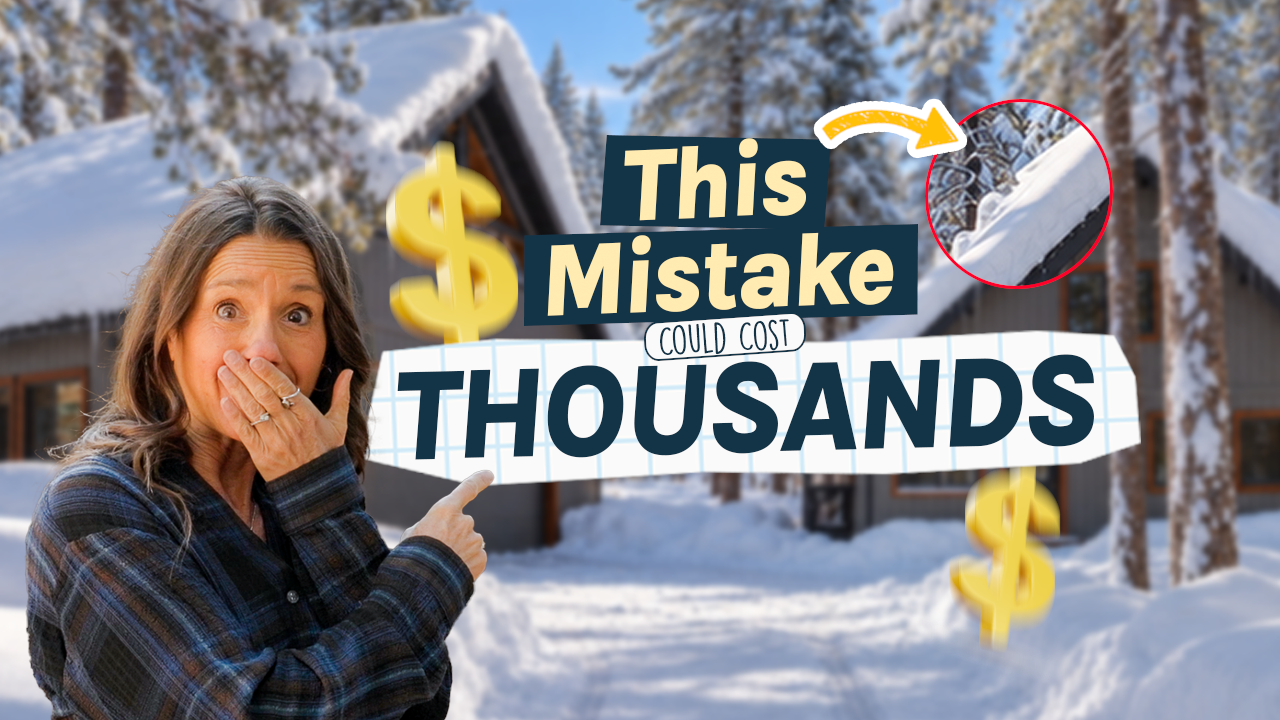
How do you prepare a Lake Tahoe home for winter?
To prepare a Lake Tahoe home for winter, start in early fall. Install snow stakes, drain the irrigation, cover the hose bibs, clean the gutters, inspect the roof, flag the propane tank, secure the crawl spaces and sign a snow removal contract. Then look at where the roof drops snow, how the driveway handles ice and where plowed snow will go. Winter is also the most honest time to buy or sell a Tahoe home, because you see exactly how a property handles the harshest season.
By Kristen Pepin | October 29, 2026
Winter tells you the truth about a Tahoe home.
During the 2022–23 season, the UC Berkeley Central Sierra Snow Lab near Donner Pass measured more than 56 feet of snow. That made it the second-snowiest winter since the lab opened in 1946.
Winters like that are why owning here takes more planning than owning almost anywhere else. After 20 years of living in Lake Tahoe, here's what I wish every homeowner, buyer and seller knew before the first storm.
Why winter is the most honest time to buy or sell in Tahoe
The winter market in North Lake Tahoe, Truckee, Incline Village and Crystal Bay runs on its own rhythm.
Inventory drops. Many homes are rented as seasonal ski leases from about December through April, and owners rarely list while a tenant is living there. Second-home owners often hold off so they can enjoy the ski season themselves.
Showings take more coordination. Driveways need plowing, paths need shoveling, and sometimes the roads are the challenge.
But if you're buying, winter is when you see a home as it really is. You'll know where the snow slides off the roof, whether the driveway turns into a sheet of ice and how much sun the house actually gets. With fewer buyers out looking, you'll often face less competition, too. Watch me break this down at 0:41.
The tradeoff is inspections. A roof, deck or yard under three feet of snow can't be fully evaluated. You'll want the right contingencies, realistic timelines and possibly a spring follow-up inspection.
If you're selling, don't assume you should wait for spring. There are fewer buyers in January, but the ones walking a property in snow boots are rarely casual. They're usually serious, prepared and ready to act on the right home. With less competing inventory, a well-presented listing stands out.
A winter listing just needs a little extra care:
- Keep the driveway plowed and the entry clear for every showing
- Clear any roof-slide zones over walkways and parking
- Keep the home warm and bright, with a fire going if you can
- Have summer photos ready so buyers can see the deck, yard and views under the snow
- Gather your roof age, snow removal contract and heating costs, because winter buyers ask
If you're new to the area, my guide to what local life in Lake Tahoe is really like covers the year-round picture.
Roof lines, driveways and snow storage: what to look for
If you remember one thing, make it this: look at the roof lines.
Metal roofs shed snow fast, which protects the structure. But when the snow lets go, it comes down hard into a "fall zone" that can injure people and pets or crush cars, hot tub covers and gas meters.
Composition roofs hold the snow. That removes the slide risk, but the weight stays on the house. In a big winter, an unshoveled composition roof can suffer structural damage.
Either way, ask where the roof drops snow. Over the driveway? The front door? The hot tub? A roof line that dumps onto your entry means shoveling your way in and out all winter. See roof lines explained at 3:20.
Watch for ice dams, too. Heat escapes through the roof, snow melts, then refreezes at the cold eaves. That ridge of ice pushes meltwater under shingles and into walls. Big icicles and staining along the eaves are your clues.
Then there's the driveway, which can make or break your winter:
- Level is easiest
- Upslope can be tough to climb on ice
- Downslope sends snow and melt toward the garage
- North-facing and shaded can stay icy all season
And ask the question most buyers forget: where will the snow go? After a few storms, berms grow taller than a snowblower can throw. Narrow streets leave a wall of plowed snow at the end of your driveway. You need room for snow storage and a plan for when the snowblower can't get it up and over. Watch the driveway segment at 5:01.
Weighing a Tahoe home this winter? Whether you're buying, selling or just trying to read a property's roof lines, I'm happy to walk it with you. Schedule a complimentary and confidential consultation, or call or text me at 203.520.8234.
Your fall prep checklist and winter safety
Start before the first storm. Here's the short list I give my clients:
- Install snow stakes along both sides of the driveway and at rocks, sprinkler heads and landscape lights
- Drain and blow out the irrigation
- Disconnect hoses and install insulated hose bib covers
- Store outdoor furniture and wrap or tie up delicate shrubs
- Clean the gutters so roof melt can drain
- Inspect the roof while you can still see it
- Service the snowblower with fresh gas and spare shear pins (they always break in the biggest storm)
- Sign your snow removal contract early, because good crews fill up fast
Watch the full fall to-do list at 6:52.
Before a storm, fill your gas tank and buy groceries before you drive up. When the highways close, delivery trucks can't restock local stores either. Keep blankets, water, snacks, a flashlight and a small shovel in the car, but take the food out at night. A granola bar is all it takes for a bear to open a car door. Storm prep starts at 7:55.
If your home runs on propane, flag the tank so plows and shovelers can find it. Keep the tank, regulator and lines clear; sliding or settling snow can damage a line and cause a dangerous leak. If you smell gas, get out and call from a safe place. Propane safety at 8:41.
Leaving a home vacant? An occupied home, whether by you or a ski-lease tenant, means someone notices problems quickly. A vacant home avoids wear and tear, but a burst pipe can go unnoticed for weeks. If yours will sit empty:
- Keep the heat at 55°F or higher (confirm with your insurer)
- Add water-leak and freeze sensors that alert your phone
- Arrange storm checks with a caretaker
- Remove all food
- Secure the crawl spaces
Tahoe's black bears don't truly hibernate. They enter torpor, a lighter state, and some stay active all winter. A quiet crawl space under an empty house makes an ideal den. Vacant vs. occupied at 9:17.
Choosing a home that works in winter
If a home passes the test in the harshest season, it's a keeper. Here's what I look for with my buyers:
- A main living space upstairs for more natural light and views, with bedrooms below that stay darker and quieter
- A covered entry, or at least a front door that isn't under a roof drop
- A manageable driveway with room for snow storage
- Roof lines that shed away from walkways, parking and the hot tub
- A street the county plows, rather than a private road with a shared contract
Choosing the right winter home at 10:30. If you're still deciding which side of the lake fits your life, Is North Lake Tahoe Right for You? is a good next read.
And once the prep is done, enjoy it. Ski, snowshoe, skate and settle in by the fire to watch the snow fall.
That's why we live here.
Download the free Lake Tahoe Winter Home Checklist and keep it on the fridge.
Winter rewards the homeowners who prepare and the buyers who look closely. Whether you're getting a home ready for its first Tahoe winter, deciding whether to list this season or touring homes in the snow, you don't have to figure it out alone. As a concierge real estate agent in Lake Tahoe, I help clients see what a property will really be like to live in, in every season. Schedule your complimentary and confidential consultation today, or call or text me at 203.520.8234.
About Kristen Pepin
Kristen Pepin is a Lake Tahoe local of over 20 years and a California- and Nevada-licensed REALTOR® specializing in North Lake Tahoe, Truckee, Incline Village and Crystal Bay. Known for her personalized, concierge-style approach, she helps buyers and sellers navigate everything from fractional ownership to luxury lakefront estates, combining extensive local knowledge, honest guidance and a genuine passion for the communities she serves. Kristen believes Tahoe is as much about the lifestyle as it is the home, and she's proud to be your Link to Lake Tahoe.
Connect with Kristen at KristenPepin.com or call/text 203.520.8234. CA DRE 02115202 | NV S.0194643

Kristen Pepin
| Kristen Pepin, Realtor | Dudum REG | Sun Bear Realty
or another way